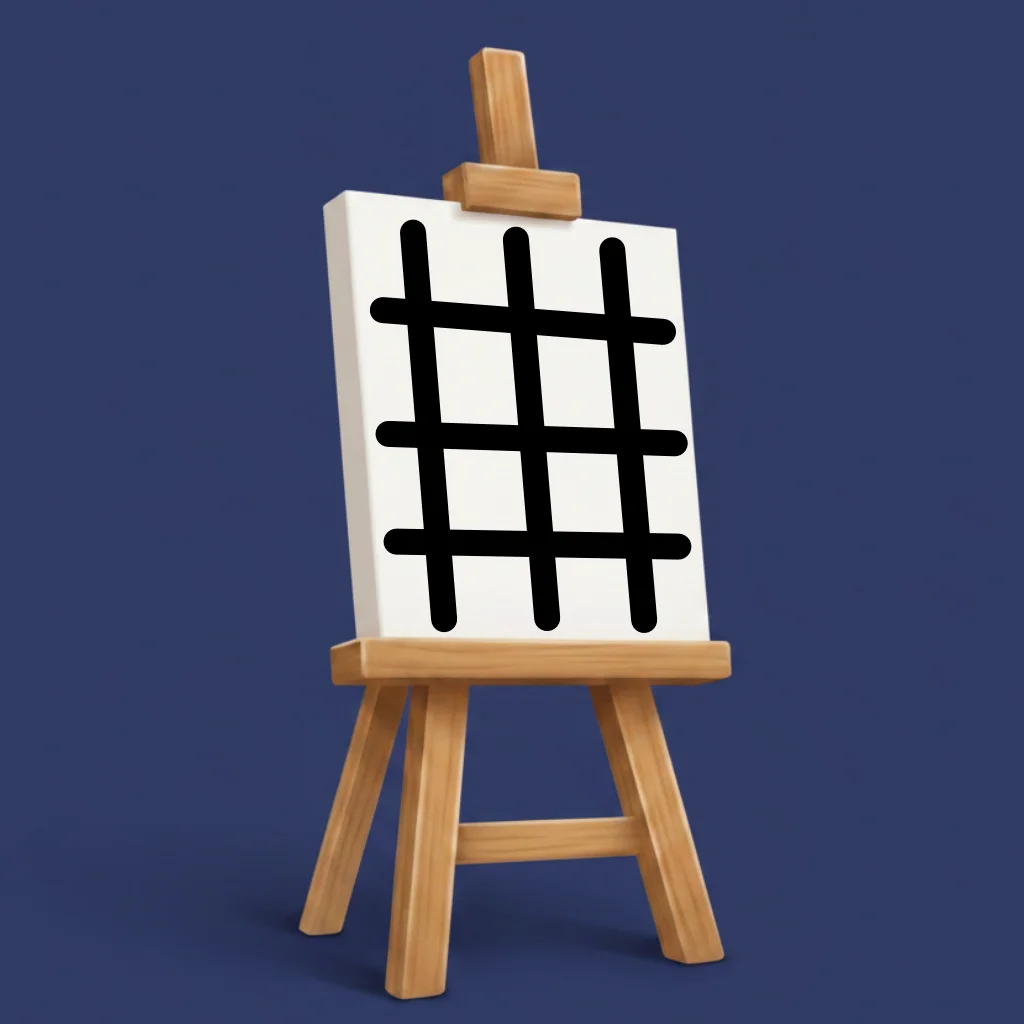
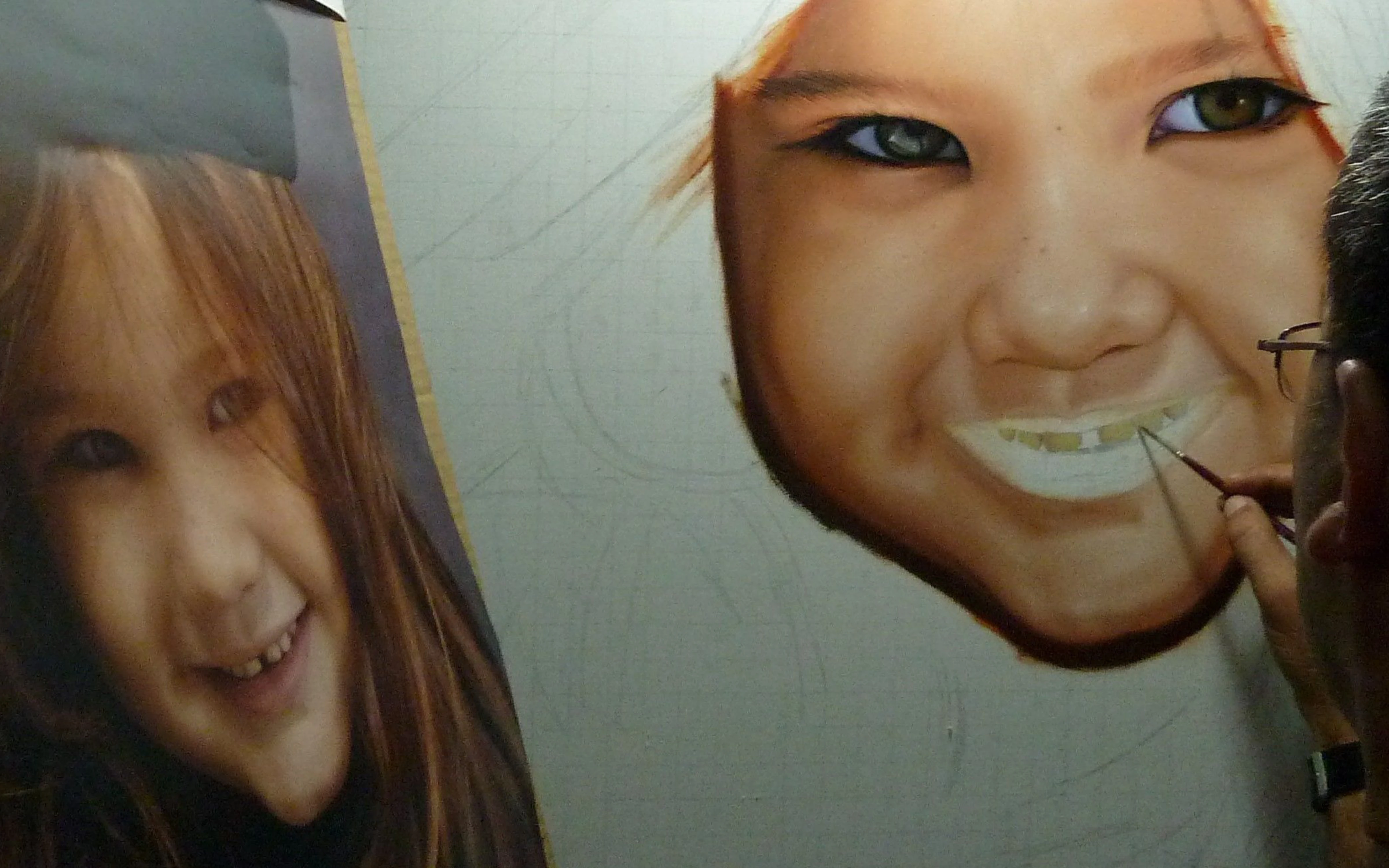
The grid method is one of the most common techniques artists use to improve accuracy when drawing from a reference image. Here's how it works, why some artists love it, why others hate it, and when it actually makes sense to use.
What is the grid method in art?
The grid method is a technique where an artist uses matching grids on both a reference image and their drawing surface to copy the image more accurately. Instead of judging the whole image at once, the grid breaks the subject into smaller, easier sections, making it far simpler to compare proportions and placement.
It's commonly used for portraits, realism, murals, commissions, and any artwork where accurate proportions matter.
Same grid on the photo and the canvas. Copy one square at a time. Proportions stay locked, even when you scale up.
What is the grid method used for?
Artists mainly use it to improve accuracy when drawing or painting from a reference. It's especially useful for:
- drawing portraits with accurate facial proportions
- enlarging small reference photos onto large canvases
- reducing mistakes in realism artwork
- simplifying complex subjects into smaller sections
- helping beginners learn observation and shape recognition
- transferring drawings onto murals or large surfaces
Many artists also use the grid method because it makes drawing feel less overwhelming. Instead of trying to recreate an entire scene at once, the artist can focus on solving one small section at a time.
Freehand vs mechanical drawing methods
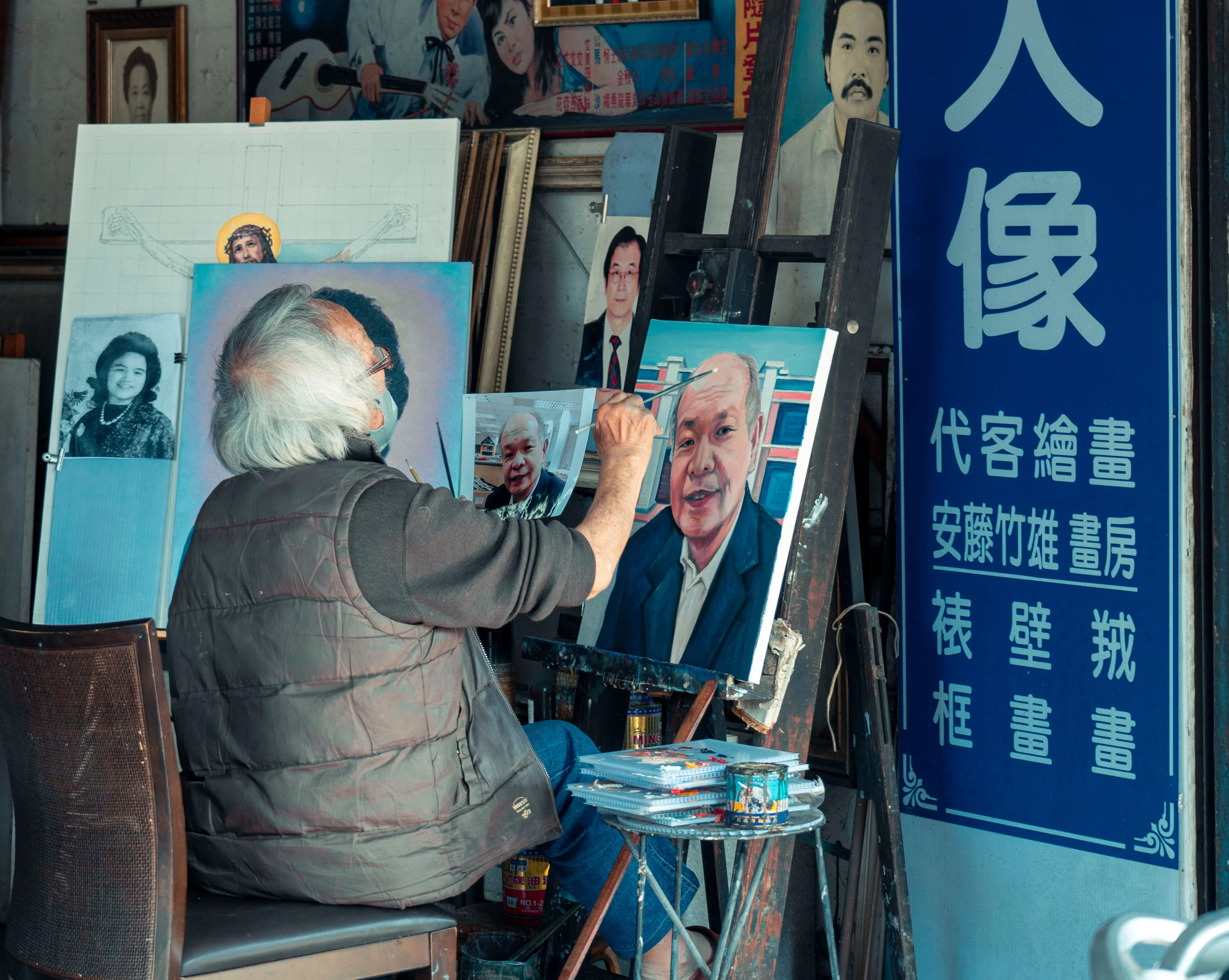
Most drawing and painting techniques fall somewhere between two categories: freehand methods and mechanical methods.
Freehand methods rely mostly on the artist's ability to observe, estimate proportions, and build forms without using transfer tools or guides. Mechanical methods use tools or systems that help with placement, proportion, or transferring the image accurately.
Neither approach is more "real" or more "valid" than the other. They simply focus on different skills and different goals.
Freehand
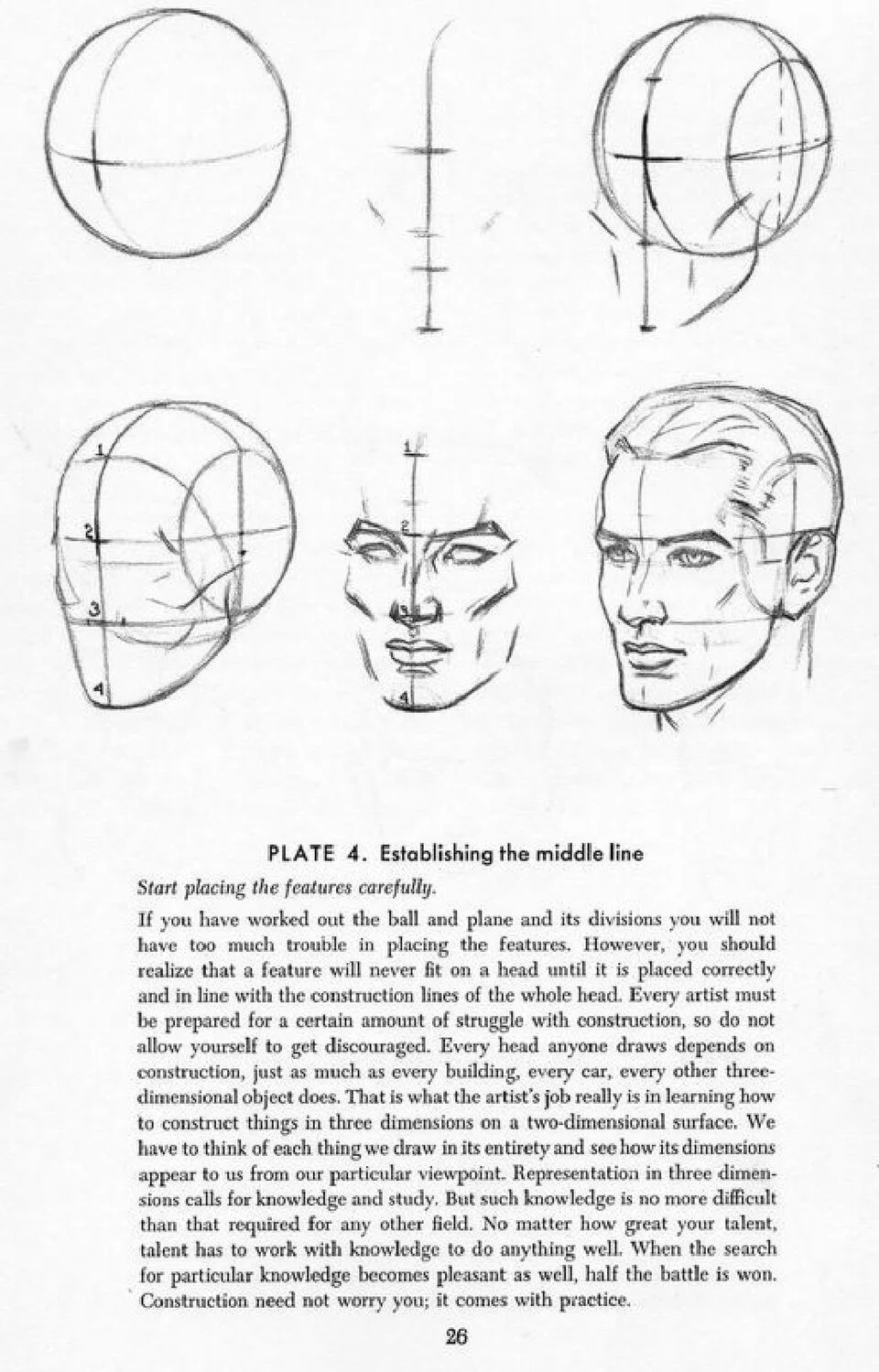
Eyeballing, sight measuring, the Loomis method, gesture and construction drawing.
Mechanical
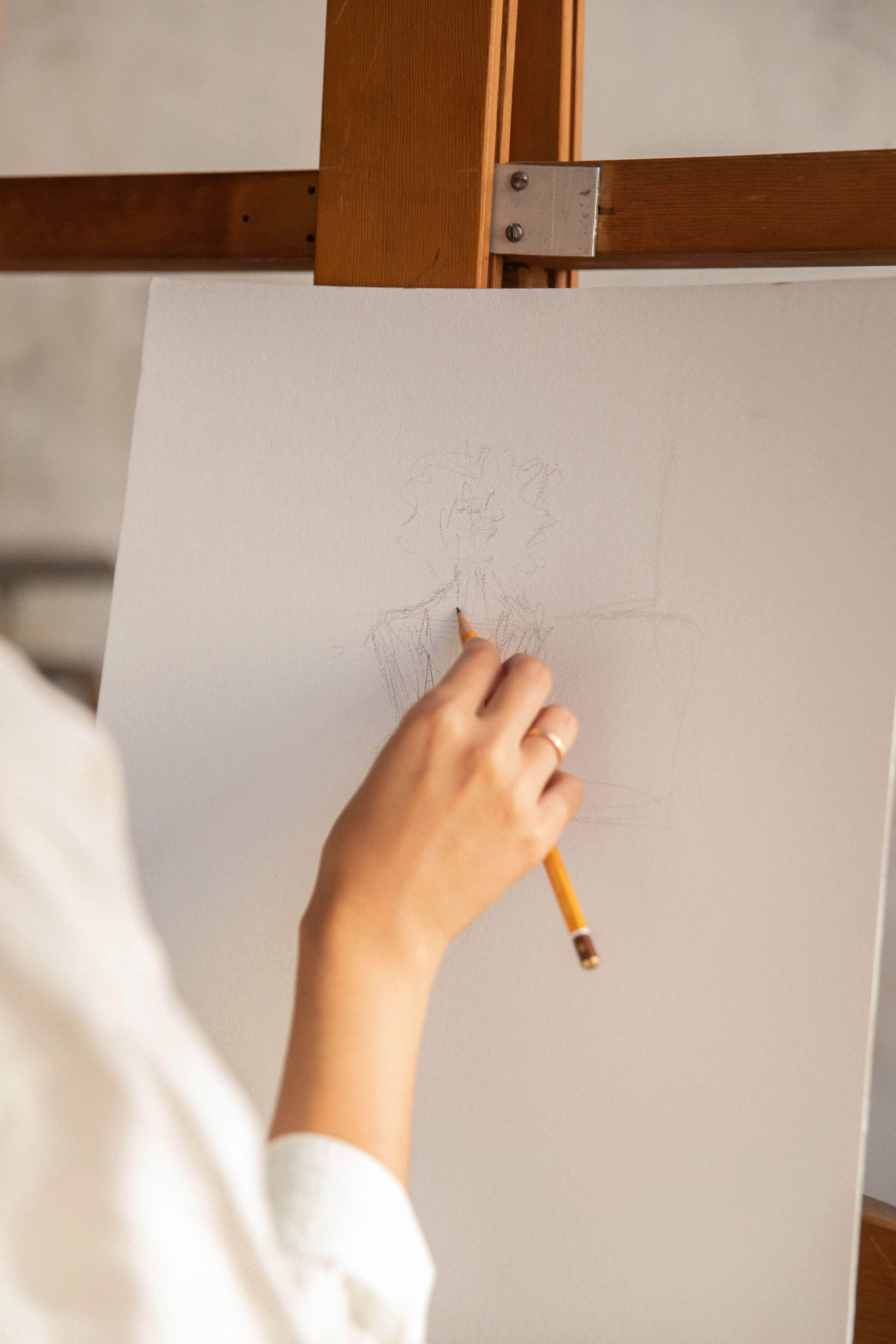
The grid method, lightbox tracing, transfer paper, projection, proportional dividers.
Common freehand methods
Eyeballing: Estimating proportions and placement just by looking at the subject.
Pencil Measuring (Sight Measuring): Using a pencil or brush held at arm's length to compare angles, widths, and distances.
The Loomis Method: A head drawing method developed by Andrew Loomis that uses spheres and guide lines to help build facial structure.
Gesture Drawing: Quick sketches focused on movement, flow, and energy instead of detail and precision.
Construction Drawing: Building subjects from simple shapes like cubes, cylinders, and spheres to create structure and perspective.
Common mechanical methods
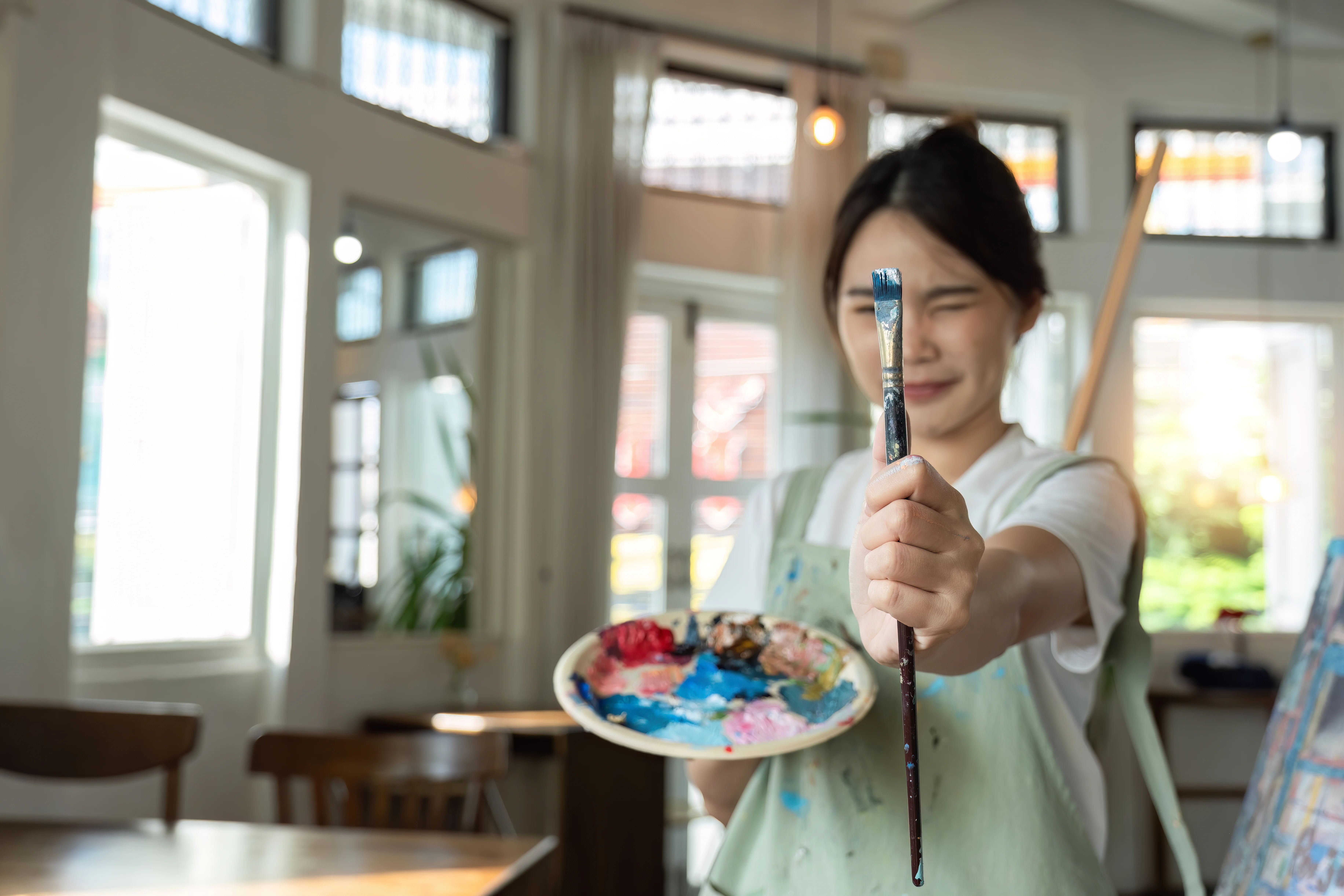
The Grid Method: Breaking both the reference image and drawing surface into matching squares so the image can be copied section by section.
Lightbox Tracing: Tracing a visible image through paper using a light underneath.
Transfer Paper: Using coated paper to transfer outlines from a reference image onto the drawing surface.
Projection: Projecting a reference image directly onto a canvas or wall so it can be traced accurately.
Proportional Dividers: Special measuring tools used to scale distances accurately from a reference image.
Why do artists love the grid method?
Accuracy
The biggest advantage of the grid method is accuracy. It helps artists capture proportions, placement, and resemblance much more reliably, especially in difficult subjects like portraits.
For beginners, the grid method can remove a lot of the frustration that comes from trying to judge proportions by eye. Instead of worrying about whether the eyes are too high or the mouth is too wide, the artist can focus on copying one section at a time.
Many professional artists use grids when accuracy is important, especially for commissions, realism, murals, or large paintings where proportions need to stay consistent while enlarging an image. In fact, a surprising number of the most famous artists in history used the grid method.
The grid method doesn't just help with accuracy. It also helps beginners stop "symbol drawing" (drawing what you think something looks like) and start drawing what you actually see.
Simplifying complex subjects
Another major advantage is that the grid helps simplify complicated subjects into smaller visual pieces.
Instead of trying to draw an entire face, tree, or landscape all at once, the artist focuses only on the shapes, colours, edges, and values inside a single square.
This can help stop the brain from "symbol drawing," where people draw what they think something looks like instead of what they actually see. For many people, this greatly improves accuracy and observation.
Accessibility
The grid method can also make drawing feel more approachable. Someone with little experience can often create a surprisingly accurate drawing very quickly, which can be encouraging and enjoyable.
Why do some people hate the grid method?
Some artists strongly believe that gridding artwork is "cheating," or that freehand drawing is a more "pure" form of art.
As may already be obvious from the tone of this article, we don't agree with that idea, but it is still worth understanding where the criticism comes from.
Freehand drawing builds observation skills
Many artists spend years improving their ability to observe proportions, angles, spacing, perspective, and form without guides.
For these artists, drawing is not only about producing a final image. It is also about training the eye and learning how objects are built and structured.
Small mistakes in proportions, which we round up in our guide on common grid drawing mistakes, can dramatically change how realistic or recognizable a drawing feels, especially in portrait work.
The argument against mechanical methods
Some artists argue that the grid method skips part of this learning process. Because the grid helps place features for you, the artist may spend less time learning how to judge proportions and structure on their own.
From the perspective of someone whose goal is to master freehand drawing, draw from imagination, or deeply study anatomy and structure, that criticism can make sense.
When the grid method is a good fit
- your main goal is accurately capturing proportions and likeness
- the final artwork matters more to you than practicing freehand drawing skills
- you are working on portraits, realism, commissions, murals, or large-scale artwork
- you are painting from reference photos and want reliable placement of features and forms
- you want to jump into drawing or painting without spending months learning proportional measuring first
- you enjoy art casually and want a process that feels less frustrating
- accuracy, consistency, and efficiency are important to your workflow
When the grid method may not be the best fit
- your main goal is improving freehand observation skills
- you want to learn to draw live subjects quickly and confidently without guides
- the practice and learning experience matter more to you than the final result
- your focus is heavily on drawing from imagination rather than reference images
- you want to train your eye to naturally judge angles, spacing, and proportions without assistance
The grid method is a tool, not a shortcut that invalidates art. Like any tool, whether it is useful depends entirely on what you are trying to achieve.
Ready to try the grid method yourself?
Upload a reference, generate a perfectly scaled grid, and start drawing with confidence.
Open the tool for free